Unitree G1+
Upgraded compact humanoid with a moving neck, from $15,000.
hopefully coming soon
Illustrative only. Real financing terms depend on unit, buyer profile, and maker's approved lender network.
Upgraded compact humanoid with a moving neck, from $15,000.
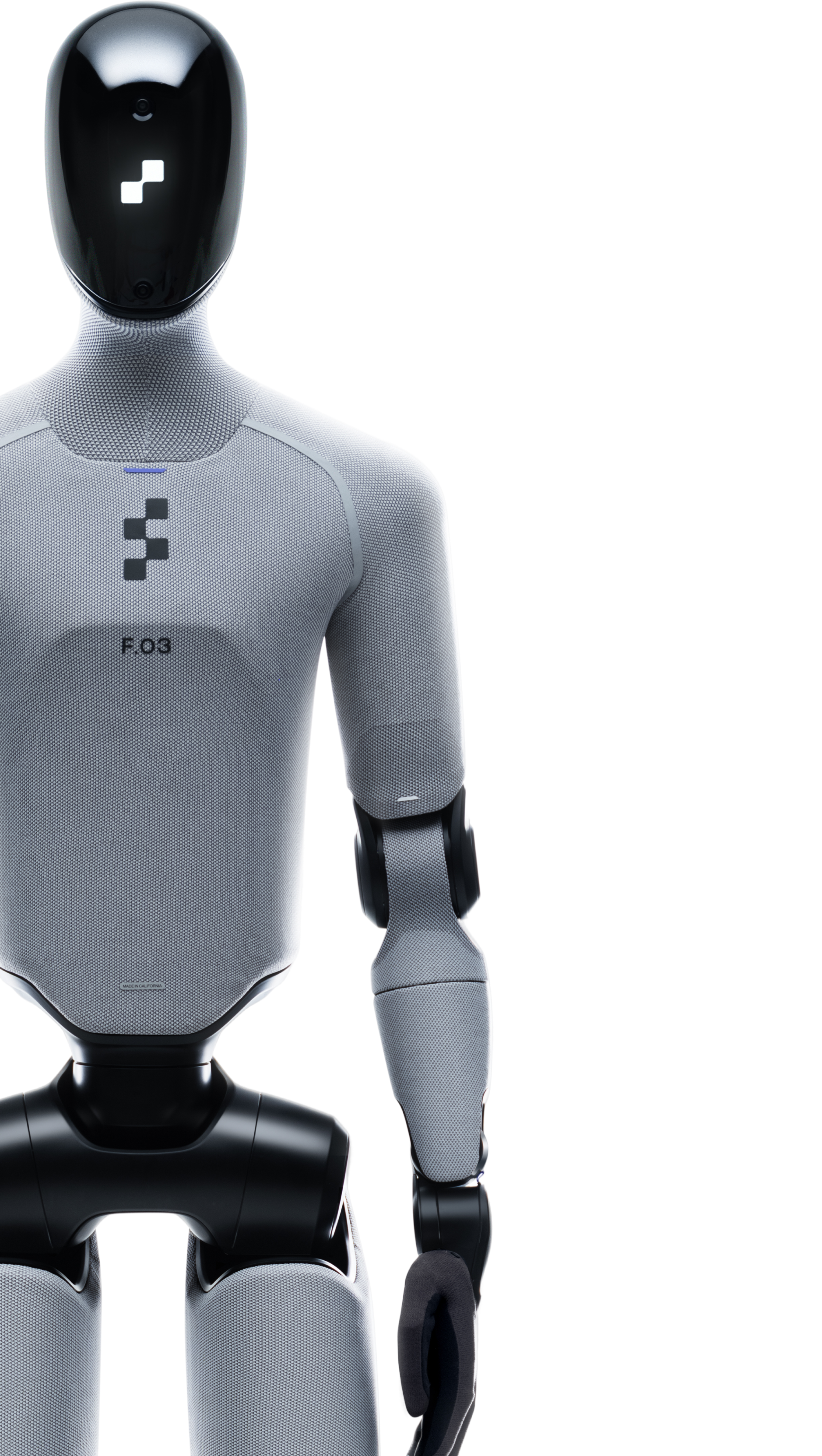
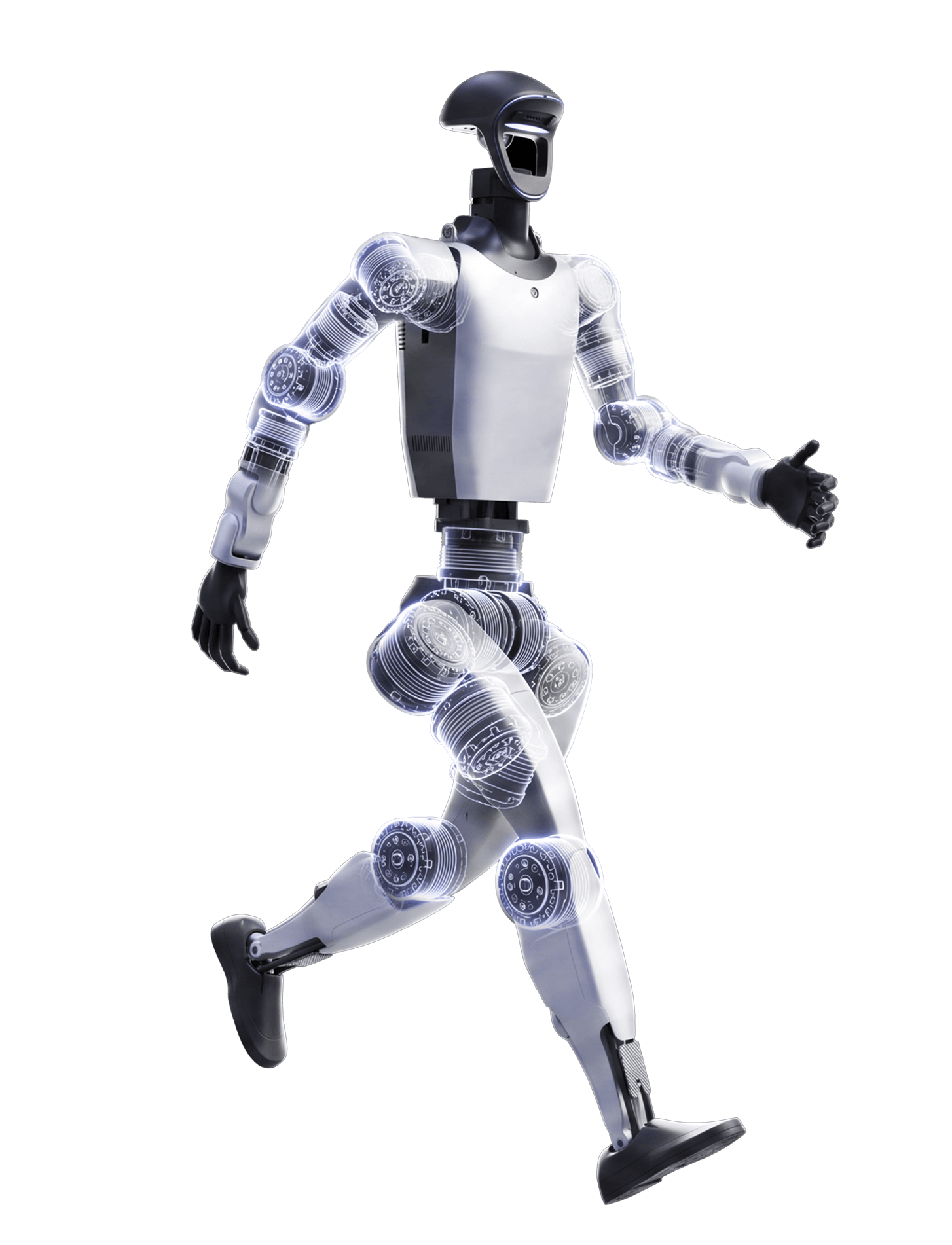
The G1+ is Unitree's September 2026 refresh of its compact, accessibly priced G1 humanoid — a research, education, and interaction platform rather than a heavy-lift industrial machine. The base model lists at US$15,000 before tax and shipping, up from the current G1's $13,500, and adds a two-degrees-of-freedom movable neck (pitch and yaw), stronger motors — Unitree claims 110% higher peak torque at the shoulder and waist and 43% more arm torque, with markedly less heating at equal load — and a richer sensor suite: binocular plus chest wide-angle cameras, a 3D LiDAR, head touch sensing, a six-microphone array, and two 10-watt speakers. It stands 1.34 m, weighs about 35 kg, carries roughly 3 kg per arm, and still runs about two hours per charge, with an external-power option for longer bench sessions. An EDU version scales from 25 to 45 degrees of freedom with optional dexterous hands and higher compute; the base 25-DoF unit ships with an 8-core CPU. These are manufacturer figures, and higher peak joint torque does not translate one-to-one into how much the whole robot can lift.
- ◆Base model from US$15,000 (before tax/shipping); ~95,000 yuan in China
- ◆New 2-DoF movable neck (pitch + yaw) for more natural interaction
- ◆Motors: +110% peak shoulder/waist torque, +43% arm torque, far less heating
- ◆Upgraded sensing: binocular + wide-angle cameras, 3D LiDAR, 6-mic array, touch
- ◆1.34 m / ~35 kg; ~3 kg per arm; ~2 h runtime; EDU scales to 25–45 DoF
Unitree has become known for accessibly priced legged robots; the H1, G1, and R1 humanoids target research, education, and light industrial use. In August 2026 it priced a Shanghai STAR Market IPO at roughly a $9 billion valuation — the first pure-play humanoid maker to list on mainland China — after a retail tranche oversubscribed more than 8,000 times; on its August 19 trading debut the stock opened about 629% above its 150.80-yuan IPO price before closing up roughly 460%, for a market value near $50 billion (about 342 billion yuan). Days before the debut it previewed a locomotion-focused prototype called 'Superman,' claiming a 2-metre standing jump and a 12.66 m/s top speed. By early September 2026 the stock had fallen roughly 53% from its first-day high (about 39% below its debut close), trimming its market value to around $30 billion — though still more than triple the IPO price — as analysts questioned whether robotics enthusiasm had outrun commercial reality and Chinese regulators reportedly raised the bar for further humanoid listings. In September 2026 Unitree also expanded its lineup with the G1+, an upgraded compact humanoid with a movable neck and stronger motors listed from $15,000.
Unitree G1+ in motion
Also in industrial
See department →