
Boston Dynamics hands the CEO job to the man who built Alexa — a bet that the humanoid race is now won on AI.
October 7, 2026 — Boston Dynamics named former Amazon Alexa and Nova AI chief Rohit Prasad as chief executive, its first permanent CEO since Robert Playter left in February, signaling that the Hyundai-owned maker of the West's most athletic humanoid now sees its path to commercializing Atlas running through software as much as hardware.
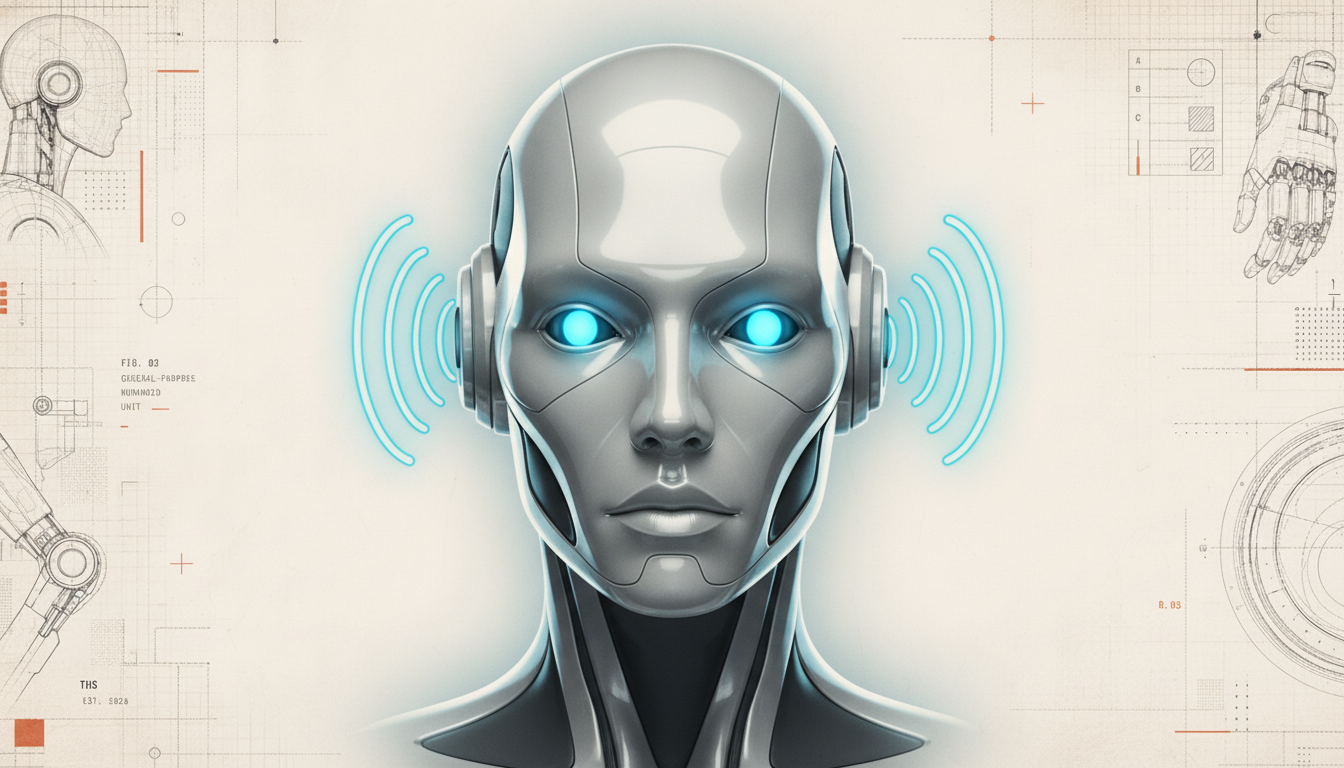
On October 6, Boston Dynamics named Rohit Prasad as chief executive officer, effective the next day. Prasad arrives from Amazon, where he spent 12 years and served as senior vice president and head scientist for Alexa and artificial general intelligence, building Alexa from its earliest days into a consumer AI service now used in hundreds of millions of households and, more recently, leading the development of Amazon's Nova foundation-model family; before Amazon he spent nearly 14 years at Raytheon BBN Technologies. He is only the third CEO in Boston Dynamics' history, after founder Marc Raibert (1992 to 2020) and Robert Playter, who stepped down in February — leaving chief financial officer Amanda McMaster as interim CEO in the interval. Prasad is also expected to join the board, subject to approval.
The choice is a tell. Boston Dynamics' historic edge was mechanical — hydraulic parkour, then the athleticism of the electric Atlas it unveiled at CES in January — but the bottleneck across the whole humanoid industry is no longer walking or balance; it is getting robots to do useful, generalizable work. By handing the top job to the person who scaled a large consumer-AI product and built Amazon's enterprise foundation models, rather than to a roboticist, the company and its owner are betting the next phase is about turning AI into shipped product. Boston Dynamics said the appointment 'accelerates its physical AI strategy by combining robotics with advanced AI capabilities to commercialize intelligent machines at scale,' and Jaehoon Chang, vice chair of Hyundai Motor Group and chair of Boston Dynamics' board, framed the pairing as the company's robotics plus 'Rohit's proven ability to turn AI into products at global scale' plus Hyundai's manufacturing.
The hire caps a conspicuously busy stretch. In the prior week Boston Dynamics unveiled a new four-fingered, 13-degree-of-freedom hand for Atlas — deliberately built for high-fidelity simulation and mass manufacturing — and a week before that it opened its Robotics Metaplant Application Center inside Hyundai's electric-vehicle plant in Georgia to begin training Atlas on parts logistics. It also shipped Spot 5.2, now able to run agentic workflows with a Google Gemini-powered inspection assistant, and is spending $100 million expanding its Waltham, Massachusetts footprint. All of 2026's Atlas production remains committed to Hyundai and Google DeepMind, and Hyundai has said it intends to deploy 25,000 Atlas units across its plants and build a US factory capable of up to 30,000 robots a year — ambitions that had been running without a permanent chief executive for the better part of a year.
For a buyer, this changes nothing you can order today: Atlas remains a captive Hyundai and Google DeepMind program with no outside customer, no published price and no order page. What it changes is the read on where the most capable Western humanoid is headed. A CEO drawn from consumer-AI productization rather than robotics mechanics suggests Boston Dynamics intends to compete on an AI-and-commercialization playbook, binding Atlas more tightly to Hyundai's manufacturing scale and to the Gemini Robotics brain it has already demonstrated on the robot. The signals worth tracking are concrete: whether Prasad opens Atlas to customers beyond Hyundai and on what terms, whether 'physical AI' translates into dated, paid, multi-shift work rather than training-center pilots, and how quickly the Gemini-on-Atlas collaboration produces deployable autonomy. A new CEO rarely moves a ship date — but who runs the company building toward 25,000 Atlas is exactly what a procurement team weighing a multi-year platform should be watching.
- Boston DynamicsOctober 6, 2026Boston Dynamics Appoints Rohit Prasad as Chief Executive Officer →
- The Robot ReportOctober 6, 2026Boston Dynamics appoints former Amazon exec Rohit Prasad as new CEO →
- The Korea HeraldOctober 7, 2026Boston Dynamics names Amazon AI veteran Rohit Prasad as CEO →
External links open in a new tab. TheHumanoidStore is not affiliated with any of the publications or companies cited above.