
Unitree puts a full-size humanoid on the shelf for $5,900.
July 25, 2025 — Unitree launched the R1, a 25kg developer humanoid priced from $5,900, resetting the floor for what a walking, talking robot costs.
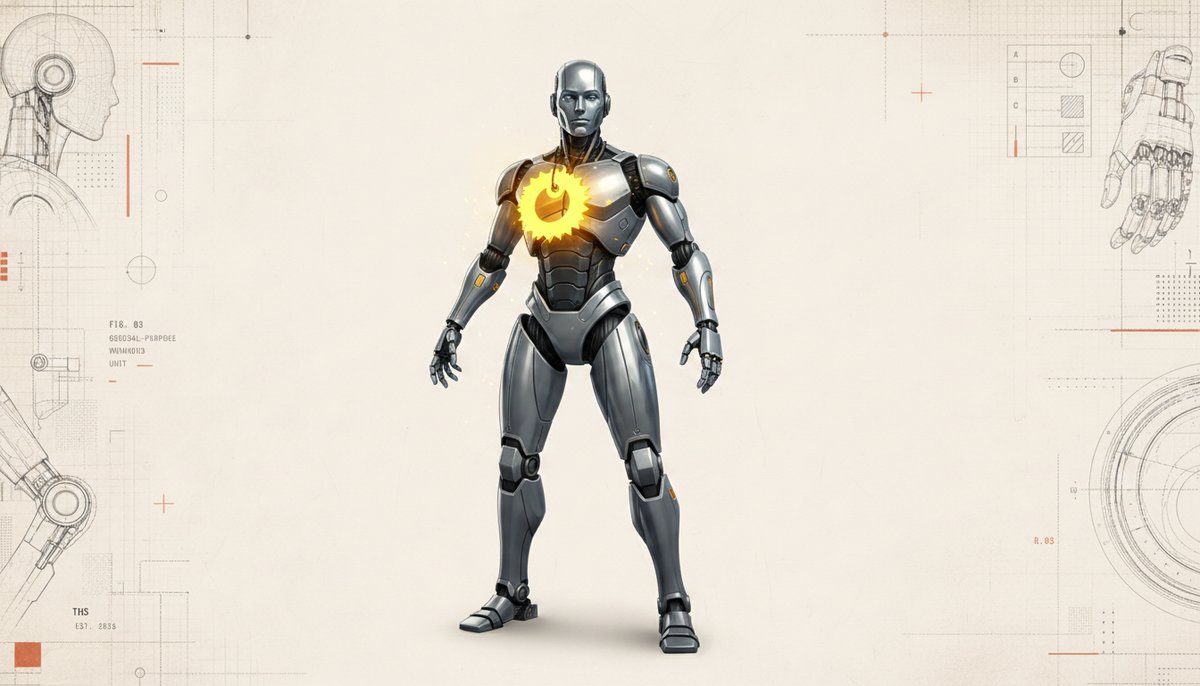
When Unitree announced the R1 at a starting price of $5,900, the number itself was the story. A 25kg biped with 26 degrees of freedom, an onboard multimodal model for voice and vision, and enough agility to run, kick and get back up — for less than the price of a used car. Rival humanoids from Tesla, Agility and Figure are quoted in the tens of thousands of dollars and, for the most part, aren't for sale at all. The R1 is, and that distinction matters more than any spec sheet.
For a buyer, the R1 is not a warehouse worker or a home assistant; it is a development platform. The realistic near-term users are research labs, universities, integrators and the growing population of startups that want to build embodied-AI applications without machining their own hardware. Unitree has essentially done to humanoids what it already did to quadrupeds with its Go series: commoditize the chassis and let software developers race on top of it. That is a different business than selling labor by the hour, and it seeds an ecosystem the pricier Western players do not yet have.
The counter-signal the launch sent was about manufacturing gravity. Unitree can price this low because it controls its own actuators and motors and builds at volume in Hangzhou — the same vertical integration that let it undercut the quadruped market years ago. Western entrants promising sub-$20,000 units 'at scale someday' now have to explain why a Chinese competitor is already shipping at a third of that. Cheap hardware also pulls the entire category's expectations down, which is a headwind for anyone whose valuation assumes premium unit economics.
The obvious caveat: an entry-level R1 is not the equivalent of a Figure or Apollo doing multi-hour manufacturing shifts, and Unitree's cheapest configuration trades payload and endurance for price. But for the question this category keeps asking — when does a humanoid become something an ordinary organization can actually buy and experiment with — July 25 is a real answer, not a roadmap slide.
- BloombergJuly 25, 2025China's Unitree R1 Is a Humanoid Robot Costing Less Than $6,000 →
- New AtlasJuly 28, 2025Affordable humanoid robot R1 launched by Unitree →
- Robotics & Automation NewsJuly 29, 2025Shock price: Unitree launches $5,900 humanoid robot →
External links open in a new tab. TheHumanoidStore is not affiliated with any of the publications or companies cited above.