
Figure commits $3.5 billion for compute it won't switch on until 2027 — the bill for a robot brain comes due.
September 3, 2026 — Figure signed a multi-year deal for up to 100,000 NVIDIA Vera Rubin GPUs through cloud provider Nscale, an initial $3.5 billion compute commitment with intent to scale past $6 billion, betting that data and compute — not hardware — are what stand between it and a shippable humanoid.
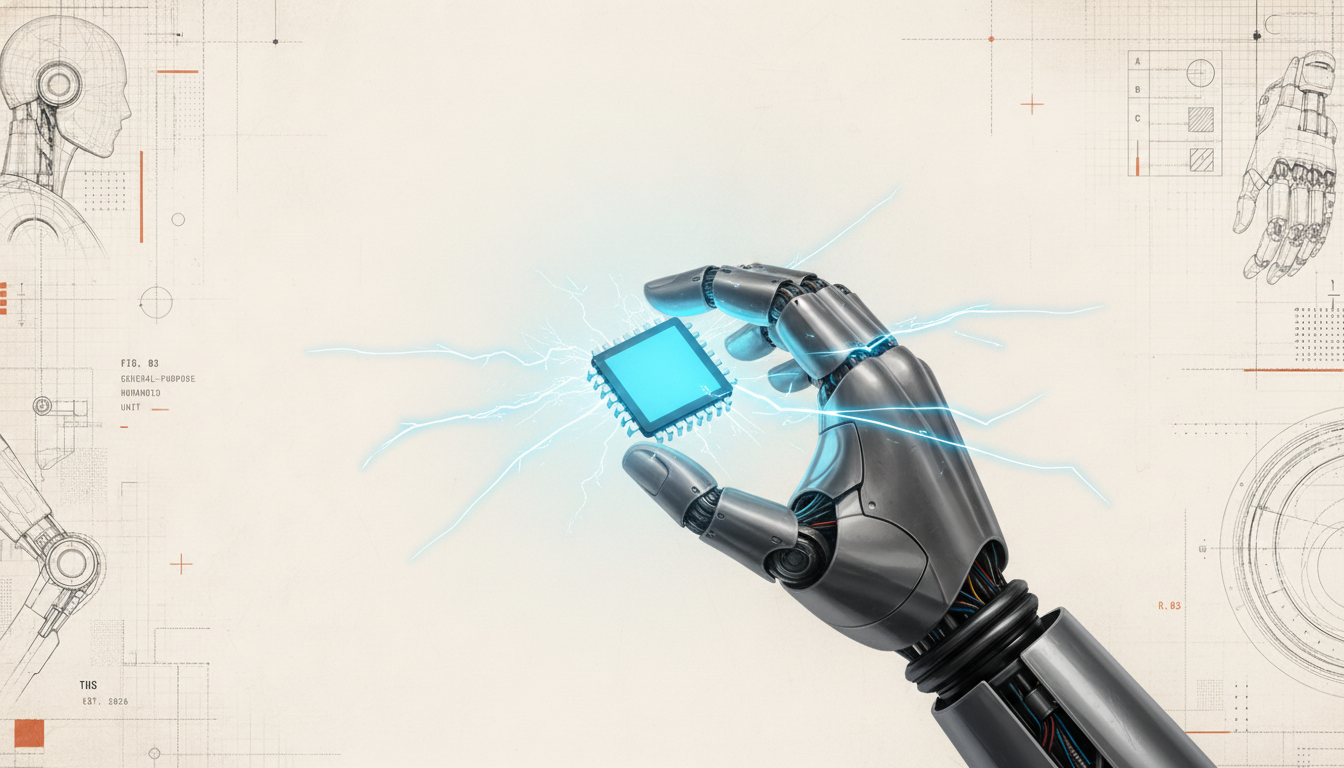
On September 3, Figure announced a partnership with AI cloud provider Nscale to deploy up to 100,000 NVIDIA Vera Rubin GPUs, structured as an initial $3.5 billion commitment of compute with a stated intent to scale past $6 billion. As part of the deal, Nscale also takes a strategic equity stake in Figure and becomes its preferred compute provider; the first GPUs are targeted for the second half of 2027 at a facility in Barstow, Texas. 'To bring humanoid robots to every home in the world, we are largely constrained by data and compute,' said Figure founder and CEO Brett Adcock. NVIDIA CEO Jensen Huang endorsed the arrangement as the activation of a 'robotics flywheel.' The deal is the compute bookend to the data effort Figure unveiled a week earlier — Index, its crowdsourced training dataset that the company says is already generating 35 minutes of video every second.
The size makes sense only once you understand why humanoids consume compute differently from chatbots. Figure's Helix model is a vision-language-action system that runs the robot's upper body at roughly 200 commands per second, and it trains not on internet text — effectively unlimited and free — but on 'embodied trajectories': synchronized recordings of vision, language and physical action that cannot be scraped and are orders of magnitude scarcer than text. Crucially, that appetite does not end when a robot ships; it scales with every new object, environment and task the fleet encounters, which is why the agreement is written as a long-duration equity partnership rather than a purchase order. Tech Times called it the largest dedicated compute commitment ever made to a humanoid robotics company, and its timing lines up with the hardware: NVIDIA's Vera Rubin platform, announced at CES in January, entered full production in the second half of 2026.
The audacious part is the money, and the plumbing behind it deserves scrutiny. An initial $3.5 billion commitment is more than triple the $1 billion-plus Series C that Figure raised in September 2025 at a $39 billion valuation — and Figure is effectively pre-revenue and has never disclosed a sales figure. No cash moved this week: the GPUs do not land until the second half of 2027, on hardware that is only now ramping, and the arrangement is a compute-plus-equity partnership, not a fresh valuation. It also runs on a notably circular economy. NVIDIA is an investor in both Nscale and Figure and supplies the chips both will buy; Nscale, a 'neocloud' spun out of a bitcoin-mining operation, is stacking enormous contracted-revenue commitments — including a roughly $45 billion Anthropic deal reported the same week — ahead of a reported IPO, while its actual recognized revenue remains thin. The Barstow site itself is a 234-megawatt data center originally built for crypto mining and repurposed on a 10-year lease. This is strategic positioning as much as procurement.
For a buyer, the deal is a tell about where the bottleneck — and the risk — in this industry now sits. Figure is betting that what stands between it and a genuinely useful humanoid is training throughput, not motors; if it is right, capability should compound as the compute comes online. But the payoff is years out: the cluster does not switch on until late 2027, and commercial deployments at scale typically trail a training ramp by a year or two. Three things to take from it before you plan around Figure's roadmap: its timeline now depends on an AI-infrastructure buildout, not just a factory, so track whether Helix actually improves and whether its BotQ plant hits volume; weigh any 'robot in your home by [date]' claim against a compute schedule that starts in H2 2027; and remember the humanoids doing paid work right now still come from the makers with dated, named deployments. The compute bill for a general-purpose robot brain is now measured in billions — a scale only a handful of players can finance, which by itself narrows the field you will eventually be able to buy from.
- FigureSeptember 3, 2026Figure and Nscale Sign Strategic Partnership For Up to 100,000 GPUs on the NVIDIA Vera Rubin Platform →
- NscaleSeptember 3, 2026Nscale and Figure Sign Strategic Partnership to Power the Next Generation of Physical AI →
- Tech TimesSeptember 4, 2026Nscale Backs Figure AI With $3.5 Billion, Takes Equity Stake in Humanoid Push →
External links open in a new tab. TheHumanoidStore is not affiliated with any of the publications or companies cited above.