
Figure bets $1 billion that the humanoid bottleneck is data — and pays people to film their chores.
August 25, 2026 — Figure AI came out of stealth with Index, a crowdsourced pipeline that has already gathered 16 million task videos from 108 countries, and pledged to spend more than $1 billion over the next year collecting the real-world data its robots still need to learn to generalize.
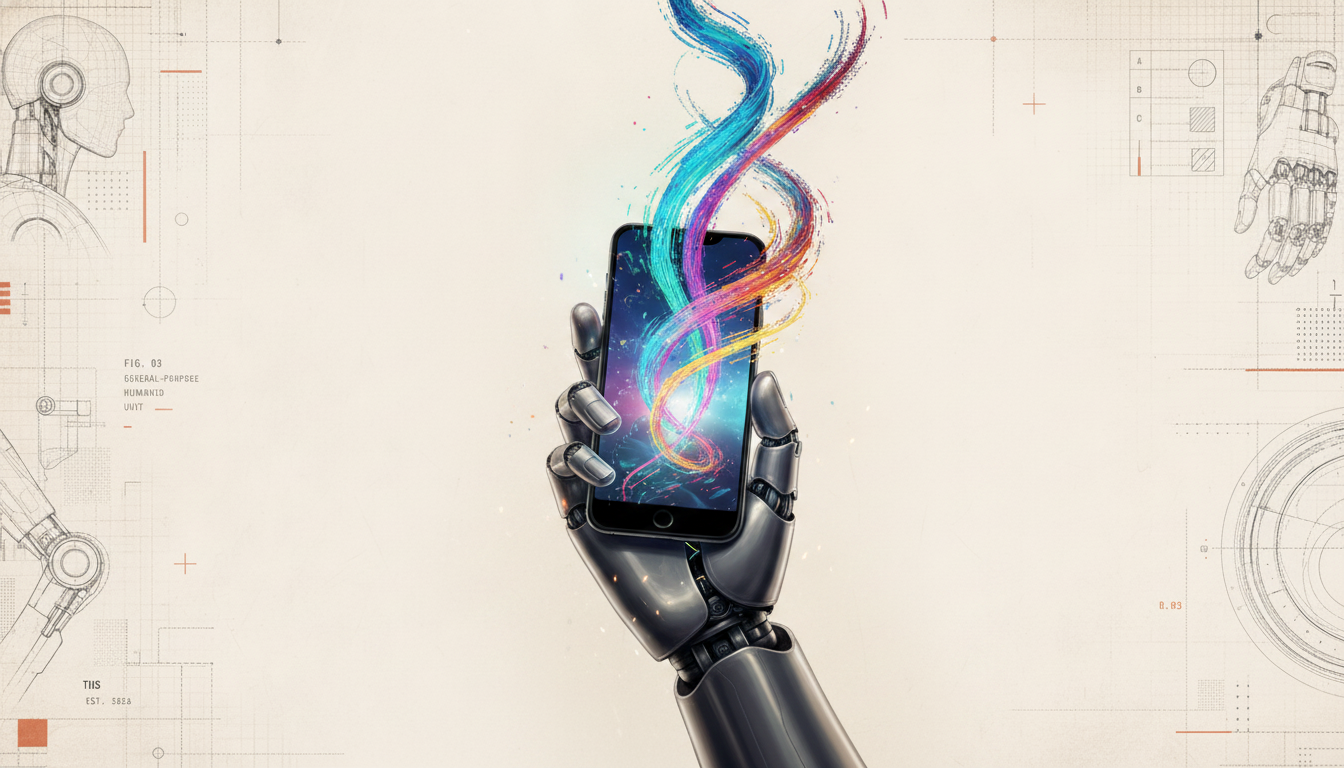
On August 25, Figure AI came out of stealth with Index, which it calls the largest and most diverse robot-training dataset in the world — and, more revealingly, a plan to spend more than $1 billion over the next 12 months collecting it. The pitch is blunt: the data needed to scale a truly general-purpose robot, Figure says, does not exist on the internet and has to come from the real world. Rather than teleoperate robots or buy data from vendors — which founder and CEO Brett Adcock says could not hit the throughput, diversity or quality bar — Figure built a consumer app that pays ordinary people to film themselves doing everyday tasks. In four months of quiet testing, a rebrand of an effort it had run since last year as Project Go-Big, the app crossed 264,000 downloads across 108 countries and more than 44,000 weekly active users, who have uploaded over 16 million videos. Figure says it is now ingesting 30 minutes of video every second — roughly 4.9 years of human work every day — and has already paid out $15 million to the Creators generating it.
Index is a two-sided marketplace for physical data: individuals can record themselves cooking, cleaning, folding laundry or busing restaurant tables for cash bounties, or a user can book a gig worker through the app to come do chores while a headset captures first-person video. That footage runs through a five-stage pipeline — filtering, fraud review, deduplication, rebalancing and annotation — before it trains Helix, Figure's in-house vision-language-action model. The company reports unusual variety, citing 373 unique tasks, 1,146 distinct manipulated objects and 116 unique environments for every 1,000 hours logged. The strategy rests on a thesis Figure states plainly: generalization is a data problem. Where language models trained on the public internet, robots have no comparable corpus of physical interaction, and Figure is betting that human video — captured cheaply, at consumer-app scale — can substitute for the slow, expensive robot demonstrations the field has relied on.
The move is a tell about where the field actually is. Figure is arguably the best-capitalized American humanoid maker, carrying a $39 billion valuation, a BotQ factory that recently built its 1,000th Figure 03 at roughly one robot per hour, and paying pilots at BMW's Spartanburg plant and Catalyst Brands. Yet its headline this week was not a new robot or a new customer; it was a billion-dollar effort to gather chore videos, because, as Adcock has argued, hardware is no longer the hurdle — onboard intelligence and general-purpose reasoning are. Whether human video alone can teach a robot the tactile feedback and force dynamics that intricate manipulation demands is still an open research question, and Figure said it will share generalization results 'soon' rather than now. Tellingly, the app's near-term product is humans doing your housework: Figure frames Index as 'laying the groundwork for ordering robots as a service,' with the candid line that today people come to help clean your house, and eventually a robot will do it.
For a buyer, Index is less a product than a status report, and a useful one. It says the constraint on a general-purpose humanoid has moved from the body to the brain: the machine you could drop into an unfamiliar warehouse or kitchen and simply trust to figure out a new task does not exist yet — not even at the company spending a billion dollars to build the data for it. Two practical lessons follow. First, evaluate humanoid vendors on their data and generalization strategy — where the training data comes from, how diverse it is, and what independent evidence exists that skills transfer to new environments — not on the polish of a demo reel. Second, treat 2026's 'home robot' timelines with the skepticism Figure's own app invites: when the market leader's plan for cleaning your house still routes through a human doing it first, a reliable, hands-off humanoid you can buy is further out than the marketing suggests.
- FigureAugust 25, 2026Introducing Index: Building The World's Largest and Most Diverse Physical Dataset →
- Humanoids DailyAugust 25, 2026Figure AI Unveils Index: Crowdsourcing Real-World Human Video to Train Helix →
External links open in a new tab. TheHumanoidStore is not affiliated with any of the publications or companies cited above.