
Boston Dynamics switches on an Atlas training center inside a Hyundai plant — the most capable US humanoid starts learning the job.
September 21, 2026 — Boston Dynamics opened its Robotics Metaplant Application Center at Hyundai's Georgia plant, moving the electric Atlas from demo videos into real automotive training as Hyundai targets 25,000 robots and a US factory that could build 30,000 a year — but the work so far is parts logistics, not assembly.
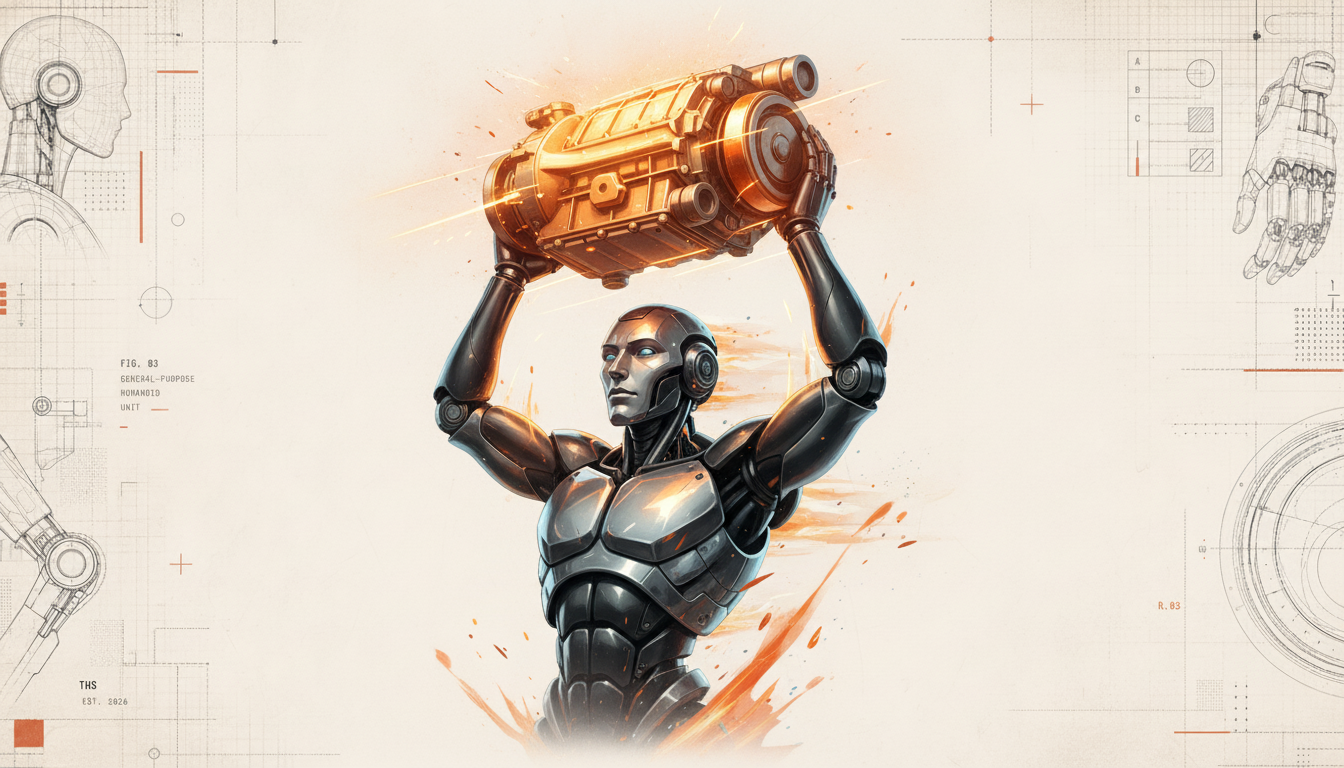
On September 21, Boston Dynamics opened the Robotics Metaplant Application Center (RMAC) inside Hyundai Motor Group Metaplant America, the automaker's electric-vehicle plant outside Savannah, Georgia. The center is a testbed and training ground for integrating Atlas — the fully electric humanoid Boston Dynamics unveiled at CES in January — directly into Hyundai's car-manufacturing operations. Boston Dynamics began pilot operations at the site in June and has now transitioned to full operations. The move matters because Atlas is widely regarded as the most physically capable humanoid built in the West, and RMAC is the step that takes it from stage demonstrations into a working automotive plant; it also marks a new chapter for a company that became a wholly owned Hyundai subsidiary in July.
For now, the work is deliberately modest. Atlas robots at RMAC are being trained on parts logistics and sequencing — preparing automotive components and arranging them in the correct order for assembly — with plans to extend to component assembly by 2030 and, over time, to repetitive-motion and heavy-lifting tasks. The scale ambition behind it is not modest at all: Hyundai Motor Group says it plans to deploy 25,000 Atlas units across Hyundai and Kia plants worldwide over the next few years, and to build a new US facility capable of producing 30,000 robots annually. Boston Dynamics is already planning to move RMAC into a new building roughly ten times larger in 2027, and says it will begin exploring Atlas uses beyond automotive next year, in talks with existing Spot and Stretch customers across manufacturing, aerospace, semiconductors, logistics, food and beverage, and life sciences. 'Together with Hyundai Motor Group, we are pioneering physical AI at enterprise scale,' said Zack Jackowski, Boston Dynamics' chief product and technology officer.
The number to keep in perspective is 25,000, because it is a deployment target, not an installed base. Boston Dynamics declined to say how many Atlas units are actually operating at RMAC today, only a handful of Waltham employees have relocated to support the training, and the robots are still being taught relatively structured logistics tasks — the actual work of building a car is a 2030 goal. The 30,000-a-year US factory does not yet exist and has no disclosed location. And the program is captive: all of 2026's Atlas production is committed to Hyundai and Google DeepMind, and while Boston Dynamics says other companies have expressed interest, there is no external customer, no price and no order page. The rollout is not uncontested either — Hyundai's unionized US workers staged a partial strike in July over the Atlas plans, insisting the robots would not reach the line without their agreement.
For a buyer, Atlas is the capability leader among American humanoids and it is US-made, which sidesteps the FCC's July import ban on Chinese robots — but you cannot buy one, and this opening does not change that. What RMAC actually proves is that Boston Dynamics and Hyundai are building the training-and-manufacturing pipeline first, in-house, before selling to anyone else. The signals worth tracking are concrete: the first non-Hyundai Atlas customer, the location and timeline of that 30,000-unit factory, and dated multi-shift output on real tasks at the Georgia plant. It fits the pattern across the industry this year — automakers from Hyundai to Toyota, which has said it aims to deploy on the order of 400,000 robots from 2028, are becoming the biggest humanoid buyers — but the humanoids you can put to work today still come from vendors with dated, paid deployments like Agility's Digit and Figure at BMW, not from a training center that opened this week.
- Boston DynamicsSeptember 21, 2026Boston Dynamics Opens Robotics Metaplant Application Center to Train Humanoid Robots for Manufacturing Tasks →
- Manufacturing DiveSeptember 22, 2026Boston Dynamics begins robotics testing at Hyundai, outlines expansion →
- Axios BostonSeptember 21, 2026Boston Dynamics opens Hyundai testing ground for humanoid robots →
External links open in a new tab. TheHumanoidStore is not affiliated with any of the publications or companies cited above.