
Boston Dynamics lines up a Korean supply chain for Atlas — and asks it to be ready for 10,000 robots.
October 27, 2026 — Boston Dynamics has reportedly settled on a Hyundai Mobis–led, mostly Korean component network for its Atlas humanoid and told suppliers to prepare for purchase orders covering 10,000 units — a concrete step toward mass production that also quietly routes the supply chain around China.
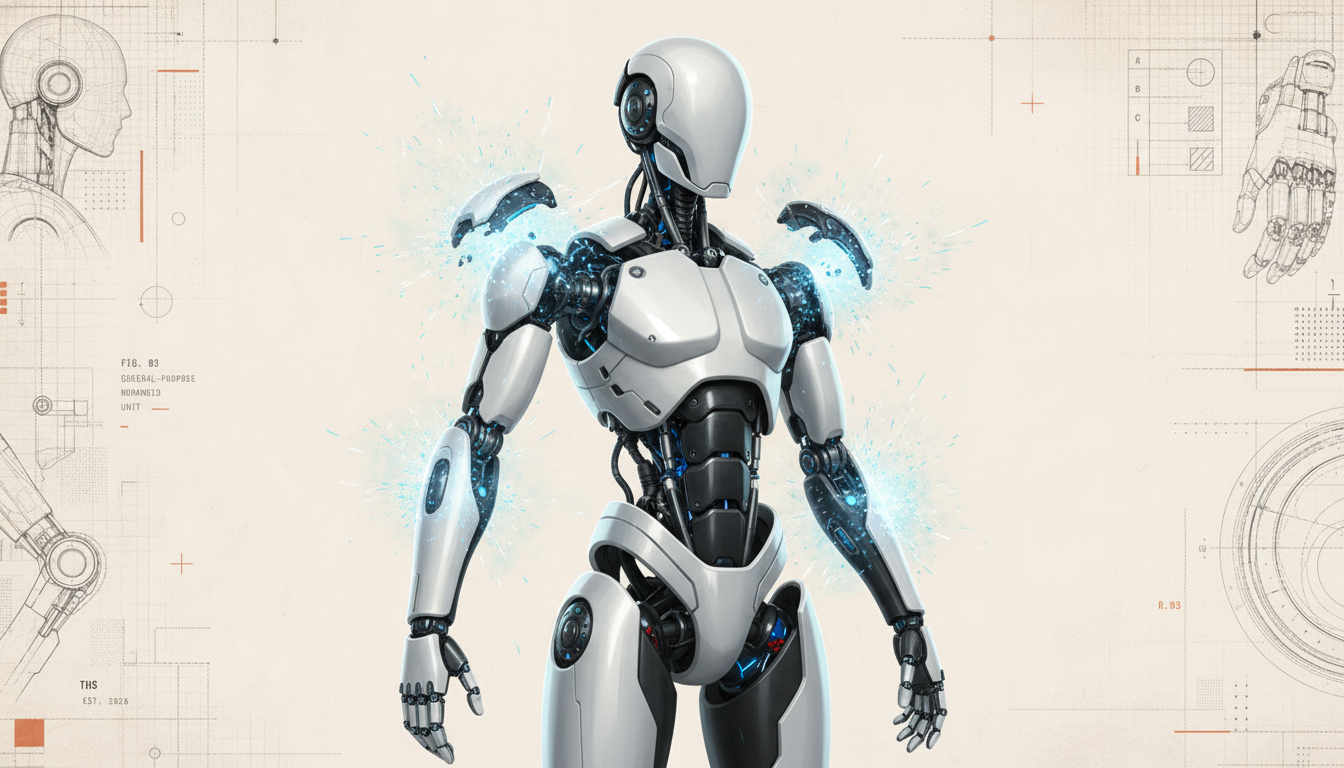
On October 27, KED Global reported — as relayed by Humanoids Daily — that Boston Dynamics has selected a Korean-led supply chain for its all-electric Atlas humanoid and asked suppliers to prepare for purchase orders covering 10,000 robots. Hyundai Mobis, the auto-parts arm of Atlas's owner Hyundai Motor Group, sits at the center of the package: the report has Mobis supplying all 31 actuators it covers, with grippers also expected, while a consortium with IL and Namuga takes the headlamp and main camera, Samsung SDI and LG Energy Solution supply batteries, MCNEX and Cammsys the hand cameras, BH EVS the charging system and CTR the control arms. The processor is NVIDIA's. Crucially, this is a preparation request, not a confirmed order — KED's sources say final quantities and component prices remain undecided, with initial purchase orders expected only as early as late 2027 or early 2028. It builds on an actuator partnership with Mobis that the companies announced back in January.
The logic for leaning on Korea's auto industry is straightforward. An estimated 60 to 70 percent of the roughly 5,000 to 10,000 components in a humanoid overlap with automotive parts — motors, actuators, sensors, lamps — so Boston Dynamics can plug into Hyundai's existing supplier network rather than build one from scratch, and actuators alone account for an estimated 70 percent of Atlas's component cost. The reported priorities behind the picks are telling: cost control, protection of technical know-how, and reduced dependence on Chinese components. That last one is policy-shaped. Washington has moved to decouple from Chinese robotics — the Senate's American Security Robotics Act, introduced in March, would bar federal agencies from Chinese-made humanoids, and a June bill from the House Select Committee on China would force security reviews of Chinese humanoids and quadrupeds. A humanoid whose AI and software are built in the United States and whose hardware is sourced in Korea sidesteps that exposure, which matters directly to any buyer who cannot legally or comfortably purchase Chinese hardware.
The gap between this milestone and a shipping product is still wide. Ten thousand units is a readiness exercise, not a signed order; quantities and prices are unset, and the first purchase orders may not land until 2028. Hyundai's published roadmap puts initial factory applications such as parts sequencing in 2028 and component assembly in 2030, so even the demand side is years out. The 'all-Korean' framing is also imprecise — NVIDIA supplies the processor, and supplier nationality does not trace every upstream material. And a supply chain that can build the hardware is a separate achievement from a robot that reliably does the work: Boston Dynamics' stated goal of Atlas repaying its deployment cost within two years is a target, not a demonstrated customer result. Separately, Hyundai has said it aims to produce up to 30,000 Atlas robots a year by 2028, and Boston Dynamics is investing $100 million in a new hub in Waltham, Massachusetts.
For a buyer, Atlas remains the most capable Western humanoid, and this is the clearest sign yet that Hyundai means to industrialize it rather than keep it a show robot — with a supply base deliberately built outside China, which is exactly what makes it attractive to U.S. and allied procurement teams navigating import restrictions. But there is nothing to order: Atlas is a captive program whose entire near-term output is committed to Hyundai's own plants and Google DeepMind, with no external customers, no published price, and no order page. The 10,000-unit number is a supplier-readiness request for orders that may not materialize until 2028, and real factory work is not scheduled until 2028 through 2030. The things worth watching are concrete — the first confirmed purchase orders and quantities, a disclosed price, and above all the first customer outside Hyundai, because until Atlas leaves its parent's factories, its supply chain is more investable than its robot is buyable.
- Humanoids DailyOctober 27, 2026Boston Dynamics Taps Korean Suppliers for Atlas, With 10,000-Robot Preparations Reported →
- The Korea HeraldJune 29, 2026Boston Dynamics taps Korean suppliers for Atlas rollout →
External links open in a new tab. TheHumanoidStore is not affiliated with any of the publications or companies cited above.